
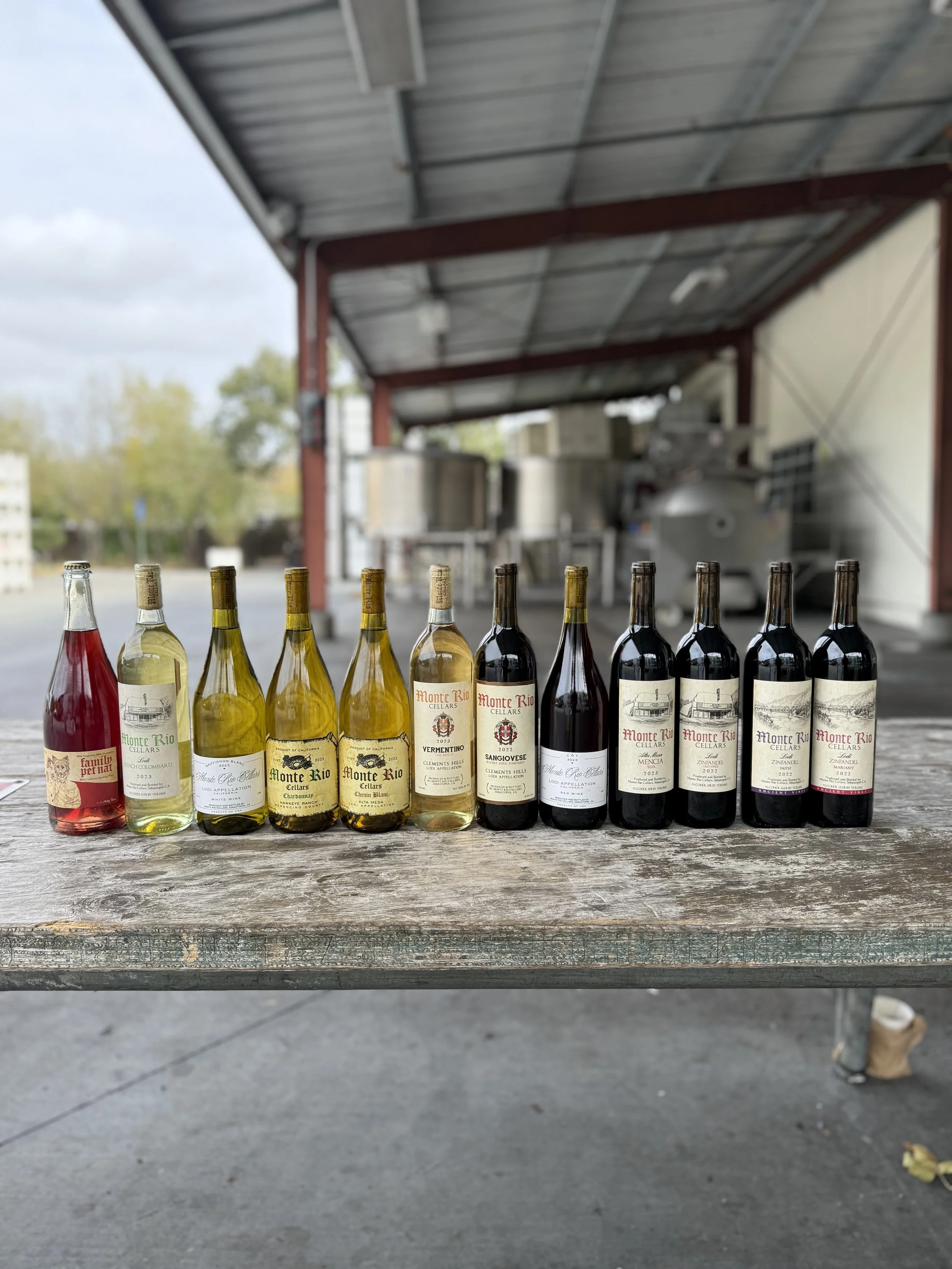
Every wine here starts the same way, with a farmer and a piece of ground that has earned the right to be taken seriously.
Most of the vineyards are in Lodi, across three sub-appellations that have almost nothing in common with the region's reputation. Along the Mokelumne River, alluvial sandy loam and own-rooted vines planted before the 20th century (Zinfandel, Carignan, Mission, Sangiovese) with roots thirty feet deep that have outlasted everything the industry has thrown at California farming. Alta Mesa to the north, where cooler nights and snowmelt soils keep the Sauvignon Blanc honest. Clements Hills, the hilliest part of central Lodi, where red clay soils at elevation suit the Vermentino the way almost no site in California does.
And then there is the Sonoma Coast — cool, foggy, uncompromising — where Pinot Noir and Chardonnay grow slowly near the Pacific on small family farms that have more in common with Burgundy than with most of California.
The farming is organic or biodynamic across the board. Whole cluster fermentation where it earns its place. Native yeast always. Old barrels and concrete that have stopped tasting like anything except time. Nothing added that doesn't need to be there. The wines taste like somewhere. They belong on a table with food and people who are hungry.
The Wines

2025 ‘Alta Mesa’ Sauvignon Blanc
Cemetery Road Vineyard · Alta Mesa
Cemetery Road is a real road in Alta Mesa, Lodi and the vineyard that sits on it has been organically farmed for over a decade on 30-year-old vines, with cool nights and alluvial soils that keep the fruit bright and the acidity honest. Half ferments in stainless steel, half in old neutral oak barrels, which is where the texture and the mineral finish come from. Native yeast only, nothing added. The kind of Sauvignon Blanc that works as well with oysters as it does with whatever is already in the refrigerator.
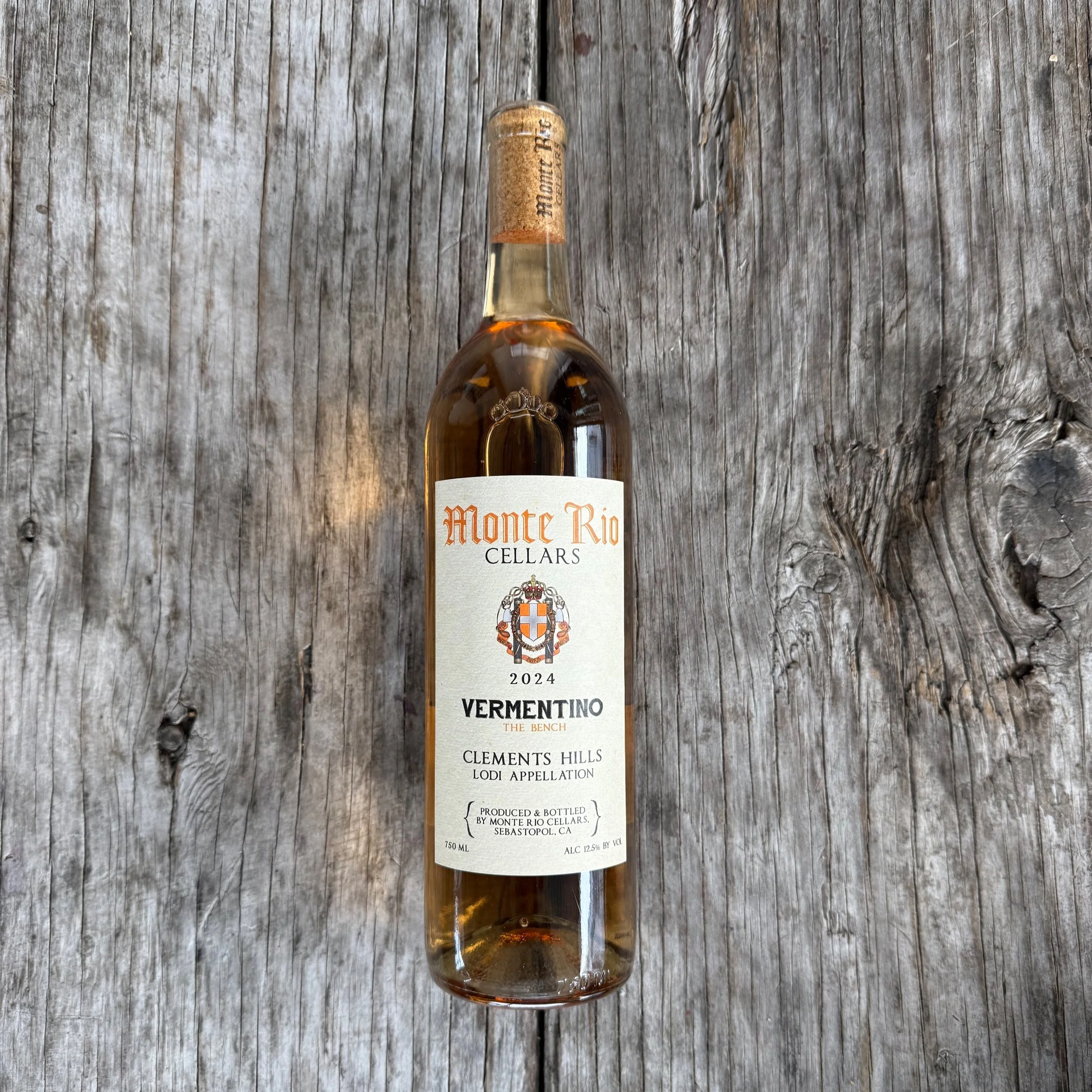
Vermentino 'The Bench' 2025
The Bench Vineyard · Clements Hills
Grown on a biodynamic vineyard in the hilliest part of central Lodi, this is one of the only skin-fermented Vermentinos being made in America — thirty days on skins, the cap pushed down by hand twice daily, the way it has been done for thousands of years before someone decided white wine should be clear and taste like nothing in particular. The color comes from the skins, and so does the texture, the depth, and the complexity that makes people ask what it is when they taste it. That question is the point.

Sangiovese 'Rivers Edge' 2023
Rivers Edge Vineyard · Mokelumne River
Most California winemakers gave up on Sangiovese years ago — too much work, too much stigma — and Patrick thinks that was a mistake. The vines at Rivers Edge are biodynamically farmed along the Mokelumne River, whole cluster macerated, finished in concrete and stainless, and aged ten months in old French oak, built on the old Chianti and Brunello ideal rather than anything the modern California market would recognize. The wine that wins blind tastings in markets that think they don't like California Sangiovese.
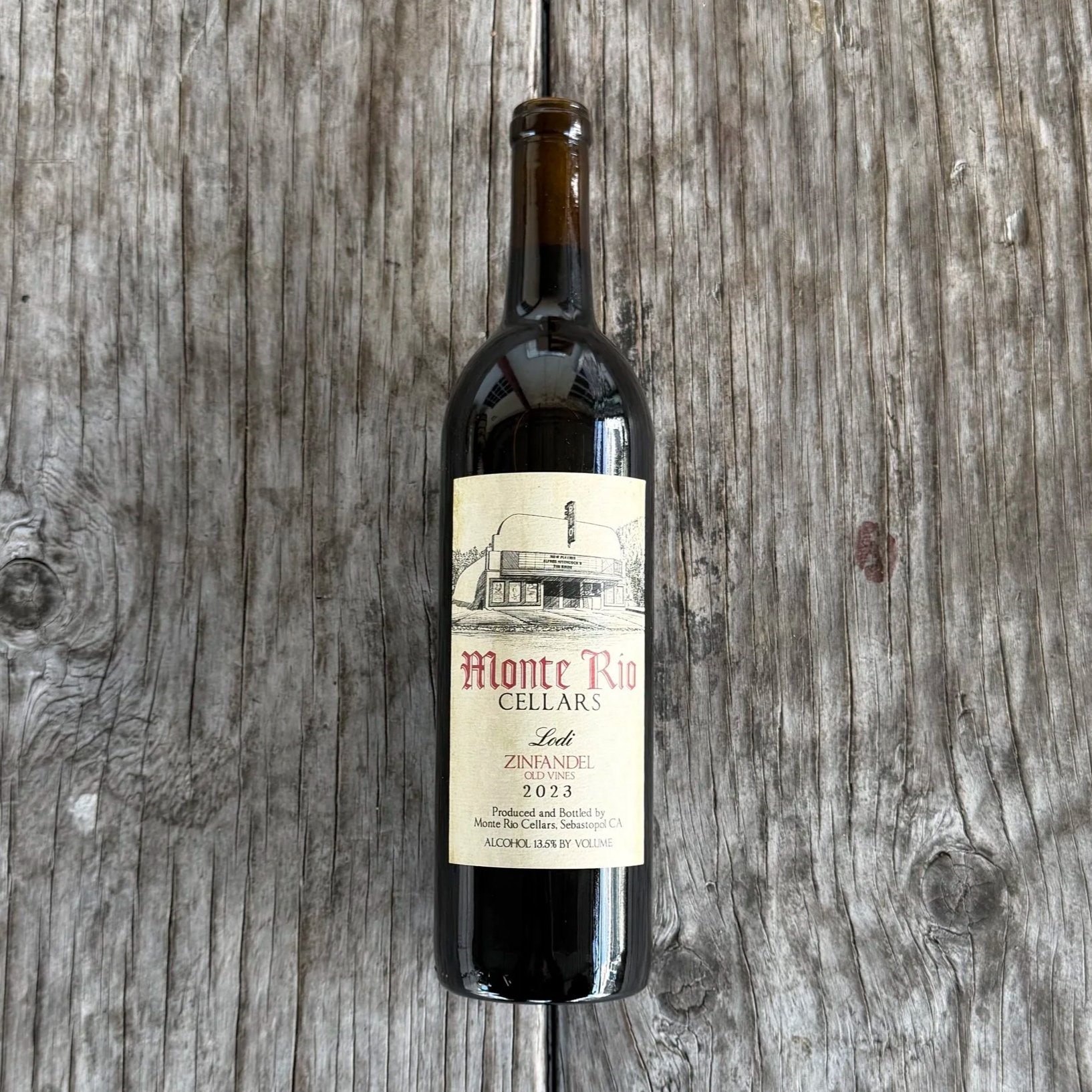
2023 Old Vine Zinfandel
Shegril Vineyard · Mokelumne River
These vines were in the ground before your grandparents were born. They are 80 to 120 years old, organically farmed, with roots deep enough to find water no young vine could reach. One hundred percent whole cluster, foot crushed, fermented in concrete and aged ten months in old wood, the way Zinfandel was made here before the industry decided it needed to be something bigger. The result is a wine with the fruit and the structure and the quiet authority that only comes from vines that have been doing this for a very long time.